
Opening Day rosters rarely tell the full story.
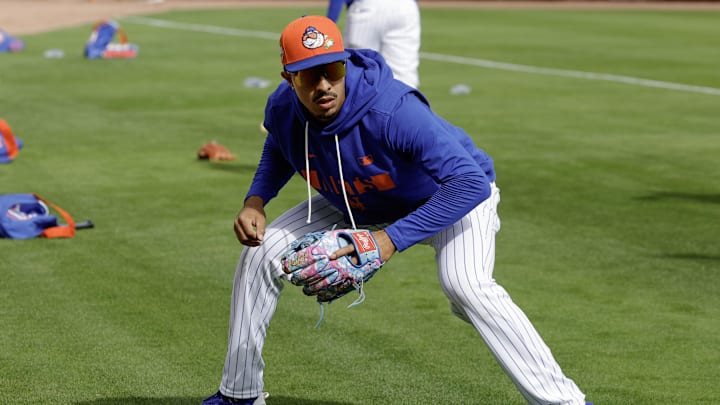
Feb 17, 2026; Port St. Lucie, FL, USA; New York Mets third baseman Mark Vientos (27) fields ground balls during the New York Mets spring training workouts at Clover Park. Mandatory Credit: Reinhold Matay-Imagn Images | Reinhold Matay-Imagn Images
For the New York Mets, that's especially true in 2026.
Even with postseason expectations and a roster built to compete, not every player currently in uniform is guaranteed to stick around. In fact, part of what makes this Mets team intriguing is its flexibility — the ability to reshape the roster midseason without tearing it down.
That's where a few names start to stand out.
Not because they're failing.
But because they might be more valuable elsewhere.
Mark Vientos feels like a move waiting to happen
Mark Vientos has been on the edge of this conversation for a while.
At various points over the past few seasons, his name has surfaced in trade discussions. Each time, the Mets held on — hoping for a breakout or a clearer role.
That role still hasn't materialized.
With a crowded roster and limited at-bats available, Vientos is once again stuck in a difficult spot. He has the profile of a useful hitter, particularly against left-handed pitching, but not enough opportunity to prove it consistently in New York.
That's what makes him a natural trade candidate.
If the Mets can find a team willing to give him regular playing time, his value could increase quickly. And for a contender looking to upgrade in other areas, moving a player without a defined role becomes an easy decision.
It may have taken longer than expected.
But this could finally be the moment the Mets move on.
David Peterson's spot may depend on who rises behind him
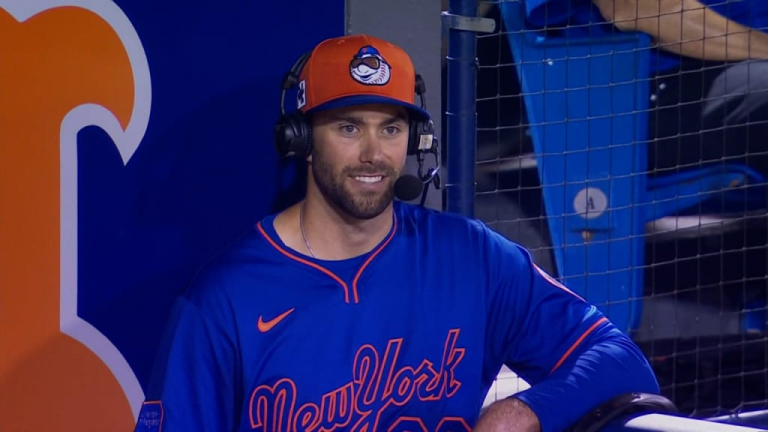
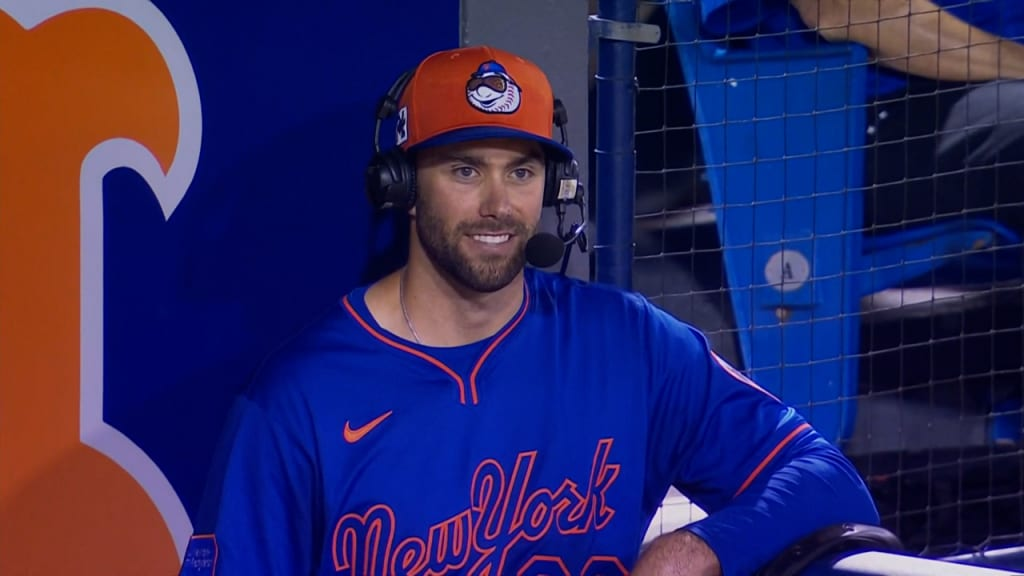
Pitching depth is a luxury — until it isn't.
The Mets have enough arms to navigate the early part of the season, but over 162 games, the rotation picture will change. Injuries, performance swings, and emerging prospects all play a role.
That's where David Peterson comes in.
He's a capable starter with experience and a manageable contract, which makes him valuable — but also expendable under the right circumstances.
If younger pitchers step forward or the Mets look to upgrade the rotation at the deadline, Peterson becomes a logical piece to move. His salary will be easier to absorb midseason, and his track record could appeal to teams in need of innings.
It's not about failure.
It's about timing.
And if the Mets feel they can improve by reallocating his spot, history suggests they won't hesitate.
Tyrone Taylor may be too useful to keep — and too valuable to bench

Tyrone Taylor fits a very specific mold.
He's a reliable outfielder who can defend, provide speed, and fill in across multiple roles. On most teams, that's exactly the kind of player you want deep on your roster.
But for the Mets, that versatility creates a dilemma.
With younger options pushing for opportunities and a crowded outfield picture, Taylor could find himself squeezed out of consistent playing time. And for a player of his skill set, sitting on the bench doesn't maximize his value.
That's where the trade market comes into play.
Contending teams often look for exactly this type of player at the deadline — someone who can plug immediate gaps without requiring a long-term commitment. Taylor checks every box.
For the Mets, dealing him wouldn't be about giving up on his contributions.
It would be about capitalizing on them.
A roster built to evolve
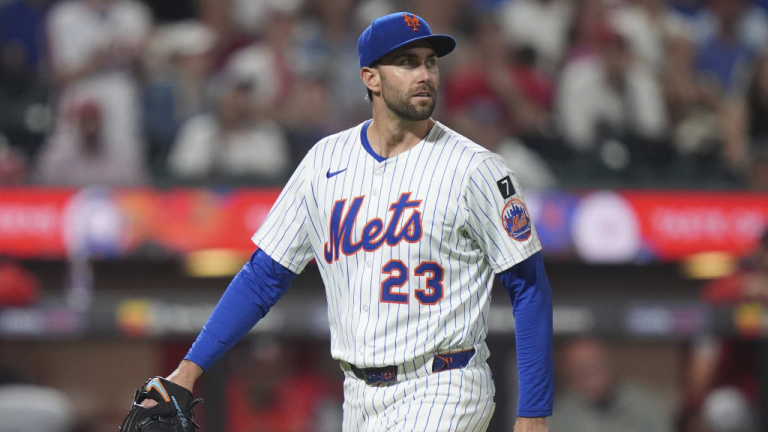
The Mets don't need a midseason overhaul.
But they do have options.
That's what separates this roster from some in the past. Instead of being locked into one path, they have pieces that can be moved strategically — allowing them to buy, sell, or adjust depending on how the season unfolds.
Vientos, Peterson, and Taylor represent that flexibility.
None are guaranteed to be traded.
But all three sit in that space where opportunity, roster fit, and timing intersect.
And if the Mets are serious about contending deep into October, those are exactly the kinds of decisions that can shape how far they go.